

Your Market Update - Summary
Global share markets finished the June quarter strongly, despite heightened geopolitical tensions earlier in the period. Investor sentiment improved following the peace agreement between the United States and Iran, which helped ease concerns about energy supply disruptions and broader regional instability. As a result, oil prices retreated from recent highs, reducing inflationary pressures and supporting market confidence.
International equities delivered strong returns over the quarter, led by Europe and supported by ongoing enthusiasm for artificial intelligence (AI) investment. While US technology stocks experienced some profit-taking during June after a strong run, demand for AI-related infrastructure and services continued to underpin earnings growth across the sector. Emerging markets also benefited, with Korea and Taiwan supported by strong AI supply chain demand.
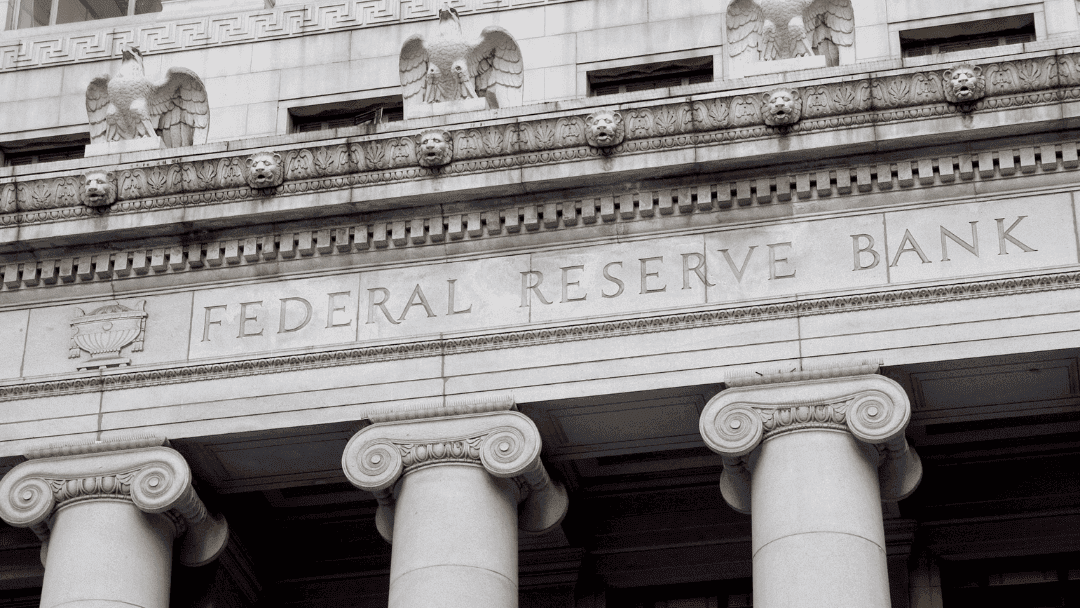
In the United States, attention remains focused on monetary policy following the appointment of Federal Reserve Chair Kevin Warsh. The Federal Reserve has reinforced its commitment to controlling inflation, resulting in a more cautious outlook for interest rates. Despite this, strong employment, healthy consumer spending and resilient corporate earnings continue to provide support for global equity markets.
Australian shares recorded positive returns over the quarter, although gains were concentrated in a relatively narrow group of sectors. Information technology, healthcare, consumer staples and consumer discretionary companies were among the strongest performers, helping offset weakness in energy stocks as oil prices declined. Materials stocks also softened towards the end of the quarter following earlier strength.
The domestic economic backdrop remains challenging. Inflation continues to sit above the Reserve Bank of Australia's preferred range, while higher interest rates, weak productivity growth and a softer housing market are placing pressure on economic activity. At the same time, a resilient labour market and stronger-than-expected household spending have helped support growth.
The RBA's decision to pause interest rates in June has increased expectations that the tightening cycle may be nearing an end. However, inflation risks remain elevated, and policymakers continue to balance the need to support economic growth while ensuring inflation returns sustainably to target levels.
Fixed interest markets delivered positive returns during the quarter, providing investors with stability amid ongoing market uncertainty. Australian bonds benefited from a decline in local bond yields, while global fixed interest markets also produced positive outcomes despite some upward pressure on US yields later in the period.
Credit markets remained relatively calm, with corporate bond spreads staying tight and investors continuing to show confidence in corporate balance sheets. Fixed interest assets continue to play an important role in providing diversification and managing portfolio risk, particularly during periods of economic and equity market volatility.
While geopolitical risks have eased, investors continue to navigate an environment shaped by inflation, interest rate uncertainty and evolving economic conditions. Strong corporate earnings, particularly in sectors linked to AI and technological innovation, remain a key source of market support. At the same time, central bank policy decisions and global growth trends will continue to influence investment markets in the months ahead.
As always, maintaining a diversified portfolio and focusing on long-term investment objectives remains the most effective approach to navigating changing market conditions and identifying opportunities as they emerge.